
Diesel Limp Mode: Causes, Diagnosis and Proper Fixes
Your diesel suddenly feels gutless. It will not rev properly, struggles past 40–50 mph, and warning lights appear. This is limp mode — and it is not a fault in itself. It is the engine protecting itself because something is wrong.
This guide explains what diesel limp mode really means, the most common causes we diagnose in the workshop, how to identify the root fault, and why clearing codes without proper diagnosis usually makes the problem worse. If you are in Stoke-on-Trent or nearby, we also explain when professional diagnostics save you time and money.
What Diesel Limp Mode Actually Is
Limp mode (sometimes called limp-home mode) is a safety strategy built into modern ECUs. When the ECU detects data outside safe limits — data that could indicate engine or emissions damage — it restricts performance to reduce the risk of further harm.
Typical diesel limp mode symptoms include:
- Severe reduction in engine power
- Restricted throttle response
- Limited turbo boost or no boost at all
- Lower RPM ceiling (often around 3,000 rpm)
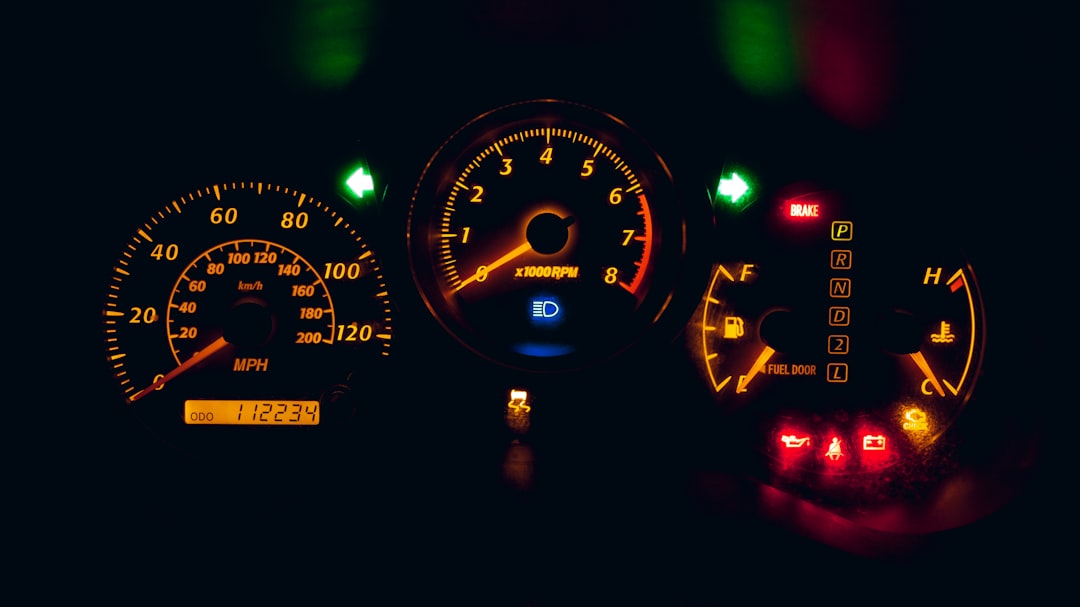
- Dashboard warnings: engine light, glow plug light, DPF warning, AdBlue messages
The aim is simple — prevent a small fault turning into a major failure. The challenge is that many different faults produce identical limp mode behaviour.
Limp Mode Is a Symptom, Not a Diagnosis
This is the most important point. Limp mode does not tell you what is wrong. It tells you the ECU has seen data it considers unsafe. Unrelated systems can trigger the same response.
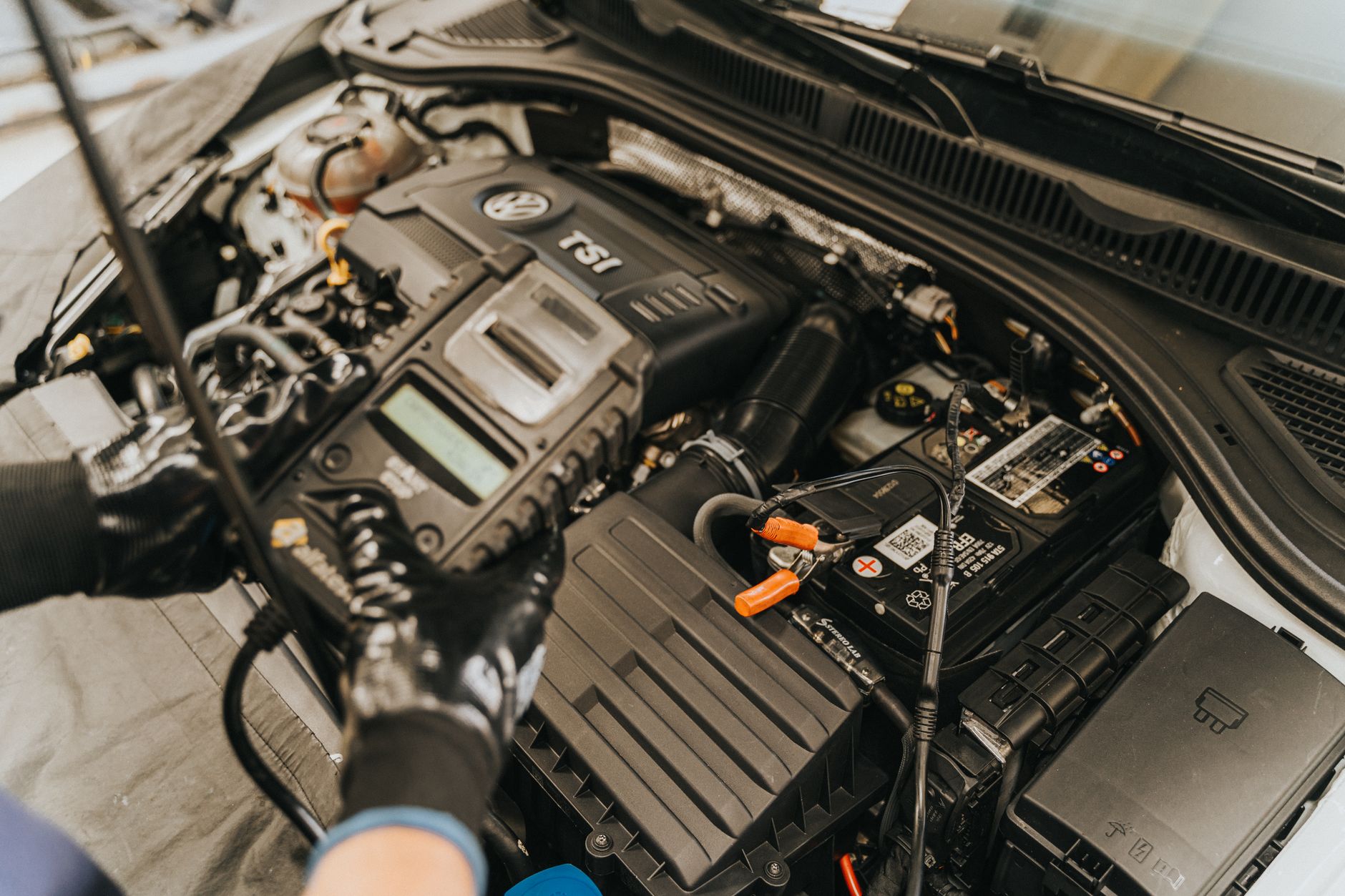
Before replacing parts, forcing regenerations, or repeatedly clearing codes, a proper advanced diagnostics session is needed to confirm the root cause using live data, actuator tests, pressure readings, and electrical checks.
Common Causes of Diesel Limp Mode
Below are the faults we see most often in Stoke-on-Trent and across the West Midlands. These are based on confirmed repairs using live data — not guesswork.
1. DPF Restriction or Regeneration Failure
The DPF traps soot. When regeneration fails or backpressure rises beyond ECU limits, power is cut.
Common signs:
- DPF warning light active
- Poor acceleration under load
- High fuel consumption
- Repeated failed or incomplete regenerations
Important: Many DPFs are replaced unnecessarily when the real issue is a sensor fault, EGR problem, or incorrect driving pattern. Diagnosis first. See our DPF solutions page for options.
2. Turbo Control or Boost Pressure Faults
The ECU constantly compares requested boost versus actual boost. If values diverge beyond tolerance, limp mode is triggered.
Typical causes:
- Sticking or failed turbo actuator
- Vacuum leaks or split boost hoses
- Boost pressure sensor failure
- Overboost or underboost conditions (fault codes P0299, P0234)
Without live boost and actuator testing under real driving conditions, these faults are straightforward to misdiagnose.
3. EGR Valve Problems
EGR valves commonly stick or fail due to soot build-up. When airflow and exhaust gas flow do not match ECU expectations, power is limited.
Common symptoms alongside limp mode:
- Flat acceleration, especially at low revs
- Rough idle
- Black smoke under load
- Repeated limp mode on hills or motorways
Cleaning may resolve early-stage EGR issues. In advanced cases, replacement or off-road solutions are required. We can advise after diagnostics. See our EGR services.
4. Airflow Measurement Errors (MAF / MAP Sensor)
The ECU relies on accurate airflow data to calculate fuelling and boost. Incorrect readings cause incorrect fuelling and trigger limp mode.
Causes include:
- Contaminated or failing MAF sensor
- Incorrect aftermarket air filters disrupting airflow
- Wiring damage or poor connector contact
Clearing codes without checking live airflow values under load almost always results in repeat limp mode.
5. AdBlue and SCR System Faults
Euro 6 diesels commonly enter limp mode due to SCR (selective catalytic reduction) system failures. These are among the most misdiagnosed limp mode causes.
Typical fault codes and triggers:
- P20EE, P204F, P207F (NOx catalyst / reductant faults)
- AdBlue level or quality warnings
- Heater circuit or pump failures
- Blocked or failed dosing injector
AdBlue faults frequently overlap — replacing one component without confirming pressure, temperature, and dosing behaviour is one of the most common causes of repeat workshop visits. See our AdBlue repair service.
6. NOx Sensor Faults
NOx sensors report emissions efficiency to the ECU. When readings drift outside calibration or communication drops, power is restricted.
Important: A NOx fault code does not always mean the sensor has failed. Wiring damage, heater circuit faults, and upstream SCR issues must be eliminated before replacing a sensor. See our guide on NOx sensor faults that keep coming back.
7. Fuel Pressure Issues
Low or unstable fuel rail pressure can trigger instant limp mode, particularly under acceleration.
- Blocked or degraded fuel filters
- Failing high-pressure fuel pump
- Electrical supply faults to the pump
These faults often appear only under load, which is why road testing with live data is essential — a static scan rarely catches them.
8. Throttle Position or Accelerator Pedal Faults
If throttle position data is inconsistent or implausible compared to pedal input, the ECU restricts power to prevent unintended acceleration. These faults are often intermittent and electrical rather than mechanical.
9. Glow Plug and Cold Start Errors
Multiple glow plug failures can affect combustion stability and emissions control in cold conditions. On some platforms — particularly VAG and Ford diesels — this triggers limp mode rather than just poor cold starting.
10. Battery and Voltage Problems
Low or unstable system voltage causes sensor readings to fall outside calibration ranges, generating false fault codes. A failing battery, alternator, or poor earth can trigger limp mode with no actual mechanical fault present.
How Diesel Limp Mode Should Be Diagnosed
Clearing codes or disconnecting the battery may temporarily restore normal power. It does not fix anything. The fault returns — often worse.
A proper diagnostic process includes:
- Full system scan including freeze-frame and pending codes
- Live data comparison under actual driving conditions
- Actuator tests (EGR position, turbo actuator, dosing injector)
- Pressure and temperature validation (fuel, boost, exhaust backpressure)
- Electrical integrity checks on sensor wiring
This is why advanced diagnostics frequently saves money. Identifying the actual fault prevents replacing parts that are not faulty.
Can You Drive in Limp Mode?
You can usually drive short distances to reach safety or a workshop. Beyond that:
- Do not drive at motorway speeds in limp mode
- Do not tow loads
- Do not ignore repeated limp mode events — each episode risks turbo, DPF, or catalyst damage
Limp Mode Repair Costs
Repair costs vary widely because the underlying faults vary widely. The same limp mode symptom can be caused by a £50 sensor, a blocked injector, a wiring fault, or a genuine mechanical failure. Diagnosis determines which applies. Guessing — and the parts bills that follow — consistently costs more than a proper diagnostic session upfront.
Preventing Limp Mode
- Act on warning lights early — limp mode is usually preceded by soft warnings
- Allow proper DPF regeneration on regular motorway or A-road runs
- Use quality fuel and approved AdBlue
- Maintain battery and charging system health
- Do not ignore intermittent power loss — it escalates
Diesel Limp Mode Diagnostics in Stoke-on-Trent
If your vehicle is repeatedly entering limp mode, diagnosis is the fastest and most cost-effective route to a fix.
At Stoke Tuning we provide:
- Dealer-level diagnostic equipment for all makes
- Live data road testing to replicate real fault conditions
- Clear explanations — we show you the data, not just a quote
- Workshop and mobile diagnostics available
Book a diagnostic session: Advanced Diagnostics Service
Call 07503 078486 or email stoketuning@gmail.com
Frequently Asked Questions: Diesel Limp Mode
What is the most common cause of diesel limp mode?
DPF restriction, turbo faults, and EGR valve problems are the three most common causes we see in the workshop. AdBlue and NOx sensor faults are increasingly common on Euro 6 diesels. The only way to identify the actual cause is live data diagnostics — the limp mode symptom itself does not distinguish between them.
Will clearing the fault codes fix limp mode?
Clearing codes removes the stored fault and may temporarily restore normal power, but it does not repair the underlying problem. The fault will return, often under similar driving conditions. In some cases, repeatedly clearing codes masks the freeze-frame data needed for accurate diagnosis.
Can I drive my diesel in limp mode?
Short distances to reach safety or a workshop — yes. Motorway driving, towing, or continuing to use the vehicle normally — no. Repeated limp mode events risk turbo damage, DPF failure, and catalyst damage, all of which are significantly more expensive than the original fault.
How much does it cost to fix diesel limp mode?
There is no fixed cost because limp mode is a symptom with many possible causes. A proper diagnostic session identifies the fault first, giving you an accurate repair cost before any parts are ordered. We offer advanced diagnostics in Stoke-on-Trent — call 07503 078486 to book.
Can a remap cause limp mode?
A poorly calibrated remap can push boost, fuelling, or temperature parameters beyond ECU limits and trigger limp mode. A professional remap from a reputable tuner includes appropriate safety limits and is designed to work within the engine's tolerances. If limp mode appears after a remap, a diagnostics session with the tuner should be the first step.