
AdBlue Quality Sensor Fault: Symptoms, Codes & Fixes
An AdBlue quality sensor fault can trigger warnings, countdowns and even no-start conditions.
It does not always mean contaminated AdBlue.
This guide explains what the quality sensor does, how faults are triggered, and how to diagnose the issue properly before replacing parts.
What the AdBlue Quality Sensor Actually Does
The AdBlue quality sensor measures the concentration of urea in the fluid inside the tank.
Standard AdBlue should contain 32.5% urea.
If the concentration falls outside expected limits, the ECU assumes:
- Incorrect fluid has been added
- AdBlue has been diluted
- The sensor reading is implausible
Common Symptoms of an AdBlue Quality Sensor Fault
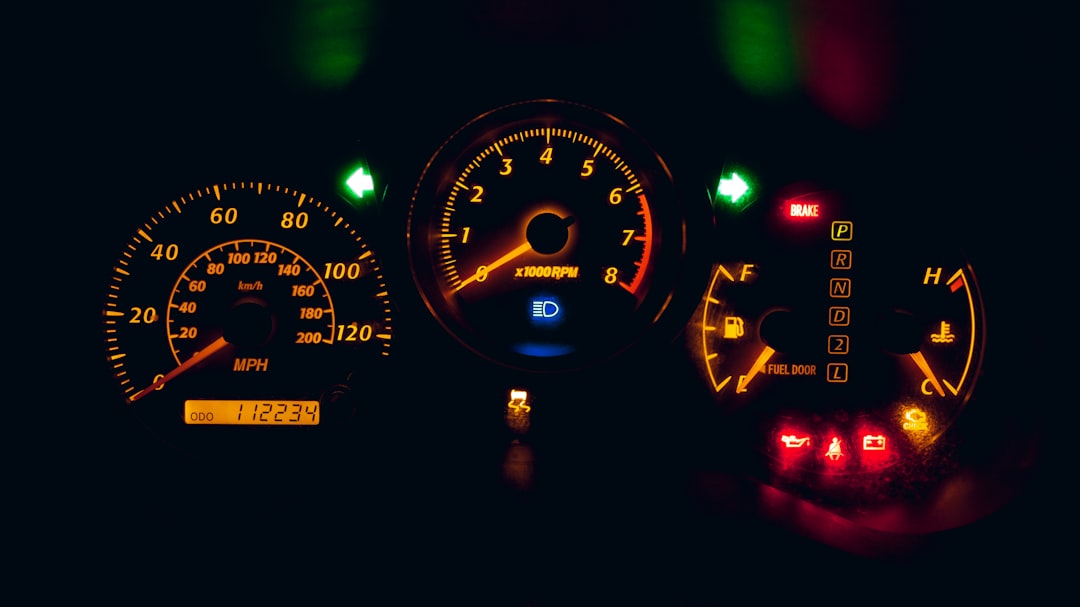
Dashboard warnings
- “Incorrect AdBlue quality” message
- Engine management light
- Distance to no start countdown
Vehicle behaviour
- Reduced power
- Limp mode activation
- Repeated fault returns after reset
Fault Codes Linked to Quality Sensor Issues
Depending on the manufacturer, you may see:
- P103C – AdBlue quality incorrect
- P20EE – SCR efficiency below threshold
- Manufacturer-specific SCR plausibility codes
If P20EE is also present, see:
P20EE SCR efficiency explained.
Why It’s Often Not the Fluid
In many cases, the AdBlue inside the tank tests correctly.
Common real causes include:
- Sensor internal failure
- Temperature reading drift
- Wiring resistance or voltage drop
- Crystallisation affecting readings
Pump-related issues can also distort system behaviour.
See: AdBlue pump failure symptoms.
How Proper Diagnostics Prevent Unnecessary Replacement
Live data checks
- Quality percentage reading
- Temperature plausibility
- Signal stability
Electrical testing
- Voltage supply under load
- Earth integrity
- Connector inspection
System context
- NOx sensor readings
- Dosing behaviour
- Post-repair reset routines
If NOx plausibility is also flagged, review:
NOx sensor fault keeps coming back.
Why Countdown Warnings Continue After Repairs
Many vehicles require correct reset and adaptation routines after a quality-related fault.
Simply clearing codes is not enough.
If your vehicle still shows a mileage countdown, see:
AdBlue warning countdown explained.
When Repair vs Removal Becomes a Decision
In some cases, repeated SCR faults make repair uneconomical.
Before making that decision, understand both options: