
AdBlue Pump Failure: Symptoms, Fault Codes, Repair Time
The warning starts small.
Maybe an “emissions fault”. Maybe an AdBlue message that clears after a restart.
AdBlue pump failure rarely arrives all at once.
It builds up quietly, then locks the vehicle down when it decides it has had enough.
What the AdBlue pump actually does
The AdBlue pump is part of the SCR system fitted to modern diesel cars and vans.
Its job is to move AdBlue from the tank to the injector in the exhaust at the
correct pressure and volume.
The ECU constantly monitors:
- Pump pressure
- Pressure build time
- Dosing response
- Electrical load
When the pump cannot meet those targets, the ECU does not guess.
It starts protecting the emissions system and, eventually, the engine.
Why AdBlue pumps fail so often
On paper, the system is simple.
In the real world, it operates in harsh conditions.
- AdBlue crystallises when exposed to air
- Moisture causes corrosion inside the pump
- Winter temperatures stress heaters and seals
- High-mileage vans cycle the pump constantly
Once internal resistance increases, pressure drops.
That is when faults begin to appear.
Early symptoms drivers often ignore
Most AdBlue pump failures start quietly.
The vehicle usually still drives normally.
Early warning signs include:
- Intermittent AdBlue or emissions warnings
- Warning clears after a restart
- AdBlue range dropping faster than expected
- No limp mode yet
At this stage, the pump is usually weak, not dead.
Acting here often avoids major downtime later.
Later symptoms when the ECU loses patience
As pressure control worsens, the ECU escalates.
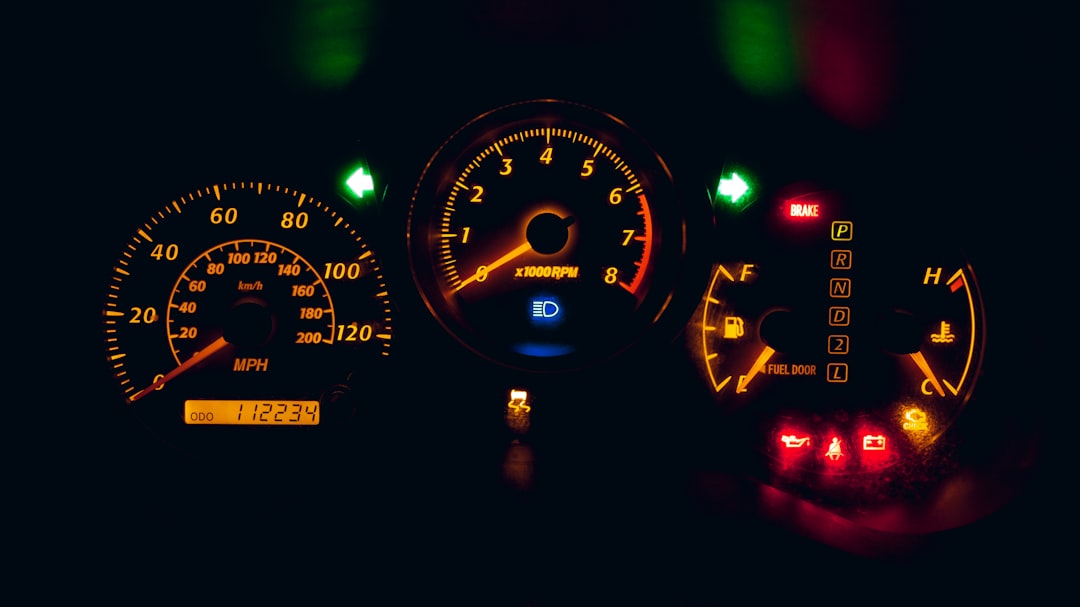
- Persistent warning lights
- No-start countdowns
- Limp mode under load
- Reduced power even on light throttle
Many drivers first notice this on motorway runs or overtakes.
If that sounds familiar, this guide may also help:
Diesel limp mode causes and fixes.
Common AdBlue pump fault codes
Fault codes matter, but only when interpreted correctly.
- P20E8 – AdBlue pressure too low
- P204F – Reductant system performance
- P20EE – SCR efficiency below threshold
- P207F – AdBlue quality or dosing fault
These codes do not always mean the pump itself is dead.
They describe what the system is seeing.
Why fault codes alone are not enough
Many garages stop at the code.
That is how pumps get replaced unnecessarily.
A pressure fault could be caused by:
- Crystallised injector
- Blocked lines
- Electrical supply issues
- Temperature-related faults
This is why we rely on live data, not just stored codes,
during Advanced Diagnostics.
How we test an AdBlue pump properly
We confirm whether the pump can do its job under real conditions.
- Read fault codes and freeze-frame data
- Check requested vs actual AdBlue pressure
- Measure pressure build time from cold
- Check electrical load and activation
- Confirm injector response
This tells us whether the pump is weak, failing, or innocent.
Pump failure vs injector or sensor faults
AdBlue systems often get blamed as a whole.
In reality, the root cause varies.
- Pumps fail mechanically or electrically
- Injectors clog with crystals
- NOx sensors misreport downstream results
If your issue involves repeated sensor faults,
this may also be relevant:
NOx sensor solutions.
Typical repair timeframes
Repair time depends on access and vehicle design,
not just the pump itself.
- Diagnostics: 30–60 minutes
- Pump replacement: 1.5–3 hours
- System priming and testing: included
Most AdBlue pump repairs are completed the same day.
Downtime increases when faults are ignored.
What makes some vehicles more expensive
Cost differences are usually down to access and design.
- Tank-integrated pumps take longer
- Underbody protection adds labour
- Calibration requirements vary by ECU
Some Ford and Mercedes vans are particularly sensitive
to pressure deviations.
Repair vs delete: when each makes sense
For road vehicles, repair is the correct route.
AdBlue delete is intended for off-road or export use.
If you are weighing options, start here:
AdBlue delete service overview.
Why pump issues often return when handled badly
Replacing a pump without flushing or testing
often leads to repeat failures.
- Crystals left in lines
- Contaminated injectors
- Unstable pressure after restart
Proper diagnostics prevents repeat visits.
What to do if you see an AdBlue warning
- Do not ignore it
- Do not clear codes repeatedly
- Get the system tested properly
Early action keeps repair simple.