ECU Remap for Towing: What Diesel Drivers Need to Know About Power and Economy
If you regularly tow a caravan, horsebox, boat, or trailer, your standard diesel tune probably wasn’t calibrated with that load in mind. A remap for towing changes how the engine delivers torque, reduces how hard it has to work, and in many cases improves fuel economy under load. This guide explains what’s involved and what to realistically expect.
In This Guide
- Why standard engine tunes aren’t optimised for towing
- What a towing remap actually changes
- Which diesel vehicles benefit most
- Power and torque: realistic gains when towing
- Fuel economy with a towing remap
- What to discuss with your remapper first
- Frequently asked questions
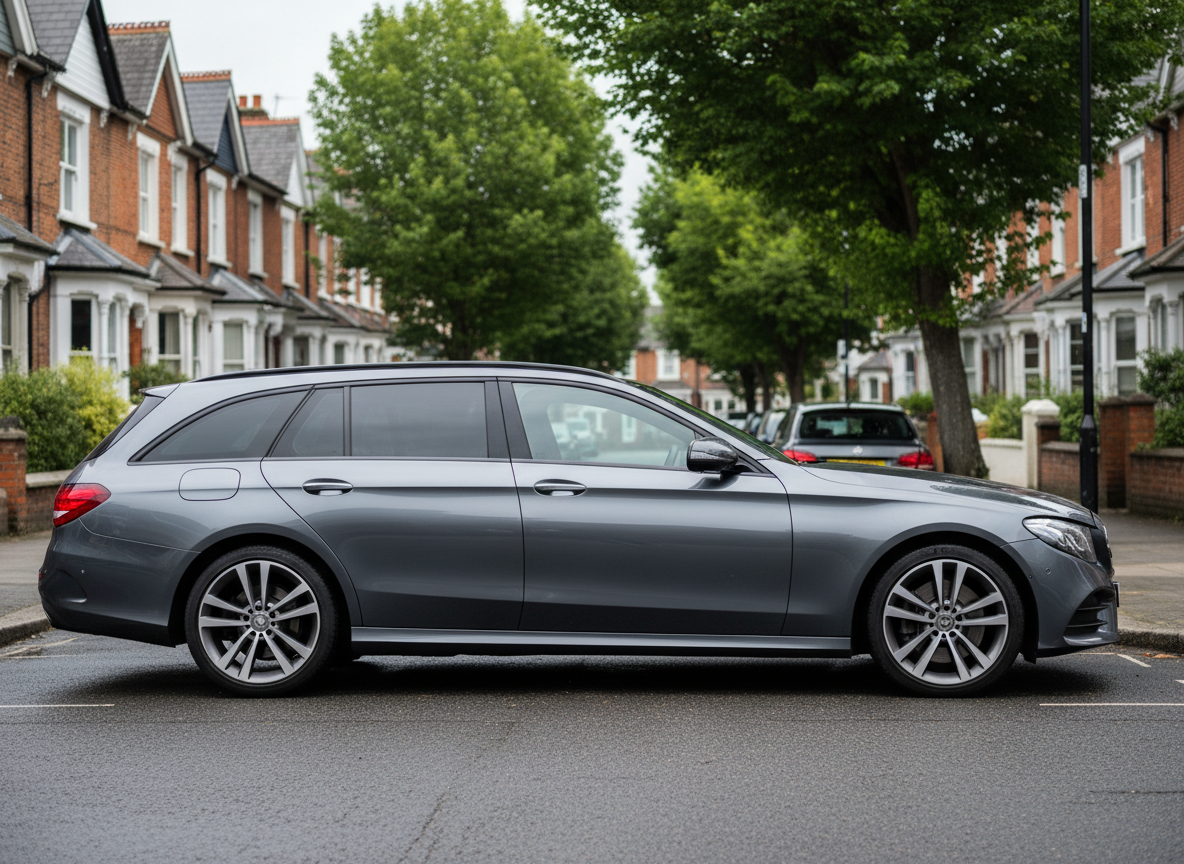
Why Standard Engine Tunes Aren’t Optimised for Towing
Manufacturers calibrate their engine management maps for a broad range of use cases: urban driving, motorway cruising, emissions compliance, and fuel economy certification. Towing near the vehicle’s rated maximum — regularly, on UK roads — isn’t usually the primary scenario those maps are built around.
The result is that most diesel engines, when towing at or near their rated capacity, are working harder than they need to. Power delivery can feel hesitant at low RPM, the gearbox hunts under variable load, and fuel consumption rises more than it has to because the engine is operating outside its most efficient range for that load.
A remap doesn’t increase the engine’s physical tow capacity — your manufacturer tow rating is governed by chassis, suspension, transmission, and braking as much as engine output. But it changes how the engine delivers its power within those limits, making towing feel significantly more confident and less draining on the drivetrain.
What a Towing Remap Actually Changes
A correctly calibrated towing remap adjusts several engine management parameters that directly affect how the car pulls under load:
Low-RPM torque delivery
Most towing demands happen in the 1,500 to 2,500 RPM range — pulling out onto a roundabout, climbing a hill, or picking up speed on a dual carriageway with a heavy trailer. A remap can increase available torque in this zone so the engine responds where you actually need it, rather than requiring high revs to generate meaningful pull.
Turbo boost pressure and response
Factory boost maps are often conservative at lower RPM. Adjusting the boost curve allows the turbo to spool faster and deliver higher pressure earlier — exactly what towing demands. You get the pull without needing to rev hard to reach it.
Fuel injection mapping
Injection timing, duration, and rail pressure all affect how efficiently the engine converts fuel into torque under sustained load. A remap recalibrates this for the conditions you’re actually using the vehicle in rather than the averaged driving cycle used in factory calibration.
Torque limiters
Many diesel engines have gear-specific torque limiters in the factory map — common where a manufacturer shares an engine across multiple models with different gearboxes or axle ratings. Where the hardware supports it, a remap can safely raise these limits so the engine delivers its torque more consistently.
Which Diesel Vehicles Benefit Most
Almost all modern diesel tow vehicles can benefit from a remap, but some gain more than others:
SUVs and 4x4s
Discovery, Tiguan, Kuga, RAV4, Outlander, and similar platforms are among the most commonly remapped tow vehicles. Many have significant torque headroom in the ECU that the factory map leaves unused — a remap unlocks it and makes caravan and horsebox towing feel far more settled.
Vans and pickups
Commercial vehicles remapped for towing — plant trailers, livestock, flatbeds — benefit in the same way as road vehicles. See our van remap guide for more on commercial-specific considerations.
Diesel estates and MPVs
Vehicles like the Octavia Estate, Passat, Mondeo Estate, and Insignia Sports Tourer are popular occasional tow vehicles. These often have more ECU headroom than their published figures suggest, and a remap can unlock useful torque without pushing any hardware beyond safe limits.
Vehicles towing near maximum weight
If you’re regularly towing close to your rated limit, you’ll feel the improvement most. The engine is working hardest in this scenario, so any improvement in low-rev torque and delivery smoothness translates directly into a more confident tow.
Power and Torque: What Realistic Gains Look Like When Towing
A towing-focused remap typically delivers improvements in the areas that matter most under load:
| Parameter | Typical stock | Post-remap range |
|---|---|---|
| Peak torque (1.5–2.0L diesel) | 280–340 Nm | 340–420+ Nm |
| Low-rev torque (1,500–2,000 RPM) | Often limited by map | Significantly improved |
| Power (bhp) | Model dependent | 15–30% increase typical |
| Turbo response | Factory delayed | Earlier spool, faster delivery |
Results vary by engine type, condition, and existing hardware. These are indicative ranges — your specific vehicle may achieve more or less depending on how conservatively the factory map was set relative to the engine’s actual capability.
For towing, the practical difference is less about peak power numbers and more about where in the rev range torque is available. Pulling cleanly from 1,800 RPM rather than needing 2,500+ to feel confident makes a bigger real-world difference than headline bhp figures suggest.
Fuel Economy When Towing: Can a Remap Help?
Towing always increases fuel consumption compared to driving unloaded — that’s physics, and no remap changes it. What a remap can do is make the engine work more efficiently under load.
When a factory map makes the engine labour in the wrong part of its efficiency range, fuel consumption is worse than it needs to be. By delivering torque lower in the rev range and more smoothly, a well-calibrated remap can reduce how hard the engine has to work for a given towing speed — and that can translate to better economy compared to the same vehicle at stock.
Many drivers report a noticeable improvement in towing economy after a remap. Drivers who previously had to rev hard on motorway climbs often find they can hold a higher gear at lower RPM — which is where the fuel saving comes from. The gains depend on how inefficiently the factory tune was managing the load, and how the driver adapts to the improved torque delivery.
If economy is your primary goal rather than performance, a remap calibrated specifically for fuel efficiency is worth discussing as a separate brief to a performance-focused tune.
What to Discuss With Your Remapper Before the Job
Getting the most from a towing remap means giving the right information upfront:
- What you tow and how heavy: A 1,200kg caravan on weekends is a different brief to a 3,500kg horsebox twice a week. The calibration focus changes accordingly.
- How you drive when not towing: A towing-focused remap should still work well for normal driving. A good remapper finds the right balance rather than creating a map that feels odd without a trailer.
- Your vehicle’s current condition: A remap on a diesel with DPF issues, worn injectors, or a tired turbo won’t deliver expected results. A health check before remapping is always worthwhile.
- Other modifications: Upgraded intercoolers, modified exhausts, or uprated fuelling influence what the remap can safely achieve.
- Your insurance position: Modifications including remaps need to be declared to your insurer. Check your policy before proceeding — failing to declare can affect a claim.
At Stoke Tuning, we discuss your specific use case before any remap is carried out. A towing calibration for a 1.6 Ford Focus is a different conversation to a 3.0 Land Rover Discovery, and the map should reflect that. Get in touch to discuss what your vehicle and towing setup needs.
Towing Remap in Stoke-on-Trent
Want more pull when towing without pushing your engine harder than it needs to work? Talk to Stoke Tuning about a remap calibrated for how you actually use your vehicle.
Frequently Asked Questions
Will a remap increase my vehicle’s tow rating?
No. Manufacturer tow ratings are governed by chassis, braking, and structural limits — not just engine output. A remap improves how the engine delivers power within the existing rating. It doesn’t increase the safe or legal maximum tow weight.
Is towing after a remap safe for the gearbox?
A professionally calibrated remap accounts for gearbox limits. Torque gains are delivered where the drivetrain can handle them. If your gearbox is already showing signs of wear, that needs addressing separately — a remap on a failing gearbox is not the solution.
Does a towing remap affect the DPF or emissions systems?
A correctly calibrated remap shouldn’t negatively impact your DPF. Better low-RPM torque delivery can actually reduce the engine strain that sometimes contributes to accelerated DPF loading. A good remap works with the emissions systems rather than against them.
Can I get a remap reversed if needed?
Yes. A professional remapper retains the original ECU file and can restore it. The original map parameters are read and saved before any changes are made.
Do I need to tell my insurer about a remap even if I only tow occasionally?
Yes. Any modification to the engine management system should be declared regardless of how often you use the vehicle for a specific activity. Failure to declare can affect a claim — check with your insurer before proceeding.