
Stage 1 Remap BHP Increase: Real Gains You Can Expect
“How much BHP will I gain from a Stage 1 remap?” is one of the most common questions we get at Stoke Tuning. If you’ve been searching for “stage 1 remap bhp increase” and getting vague answers, this guide is for you. We’ll look at realistic power gains, what affects the numbers and how to make sure the extra performance is safe and reliable.
What Is a Stage 1 Remap?
A Stage 1 remap is a software‑only calibration that optimises how your engine uses the hardware it already has. No new turbo, no bigger injectors – just smarter control of boost, fuelling and torque limits.
If you’re not sure how Stage 1 fits into the wider tuning world, our full explainer on Stage 1 remap gains and everyday driveability is a good place to start. For now, let’s focus on the numbers.
Typical Stage 1 Remap BHP Increases
Every engine is different, but there are some common patterns. These are typical Stage 1 gains we see on healthy, well‑maintained engines when tuned properly on quality fuel:
- Small turbo diesels (1.5–1.9 TDI/CDTi/dCi etc.): +25–40 BHP, +50–80 Nm torque.
- 2.0–3.0 litre turbo diesels: +30–60 BHP, +70–120 Nm torque.
- Small turbo petrol engines (1.0–1.6 TSI/EcoBoost etc.): +20–40 BHP, +40–80 Nm torque.
- Larger turbo petrol engines (2.0+ TFSI, BMW N20/N55 etc.): +40–70 BHP, +60–120 Nm torque.
These are realistic, road‑safe figures – not marketing claims from a dyno in perfect conditions. On some engines we’ll deliberately aim lower than the “headline” numbers to protect clutches, gearboxes and DPFs.
Why Online BHP Figures Don’t Always Match Reality
If you’ve been comparing Stage 1 remap bhp increase charts online, you’ve probably seen wildly different numbers for the same engine. That’s because:
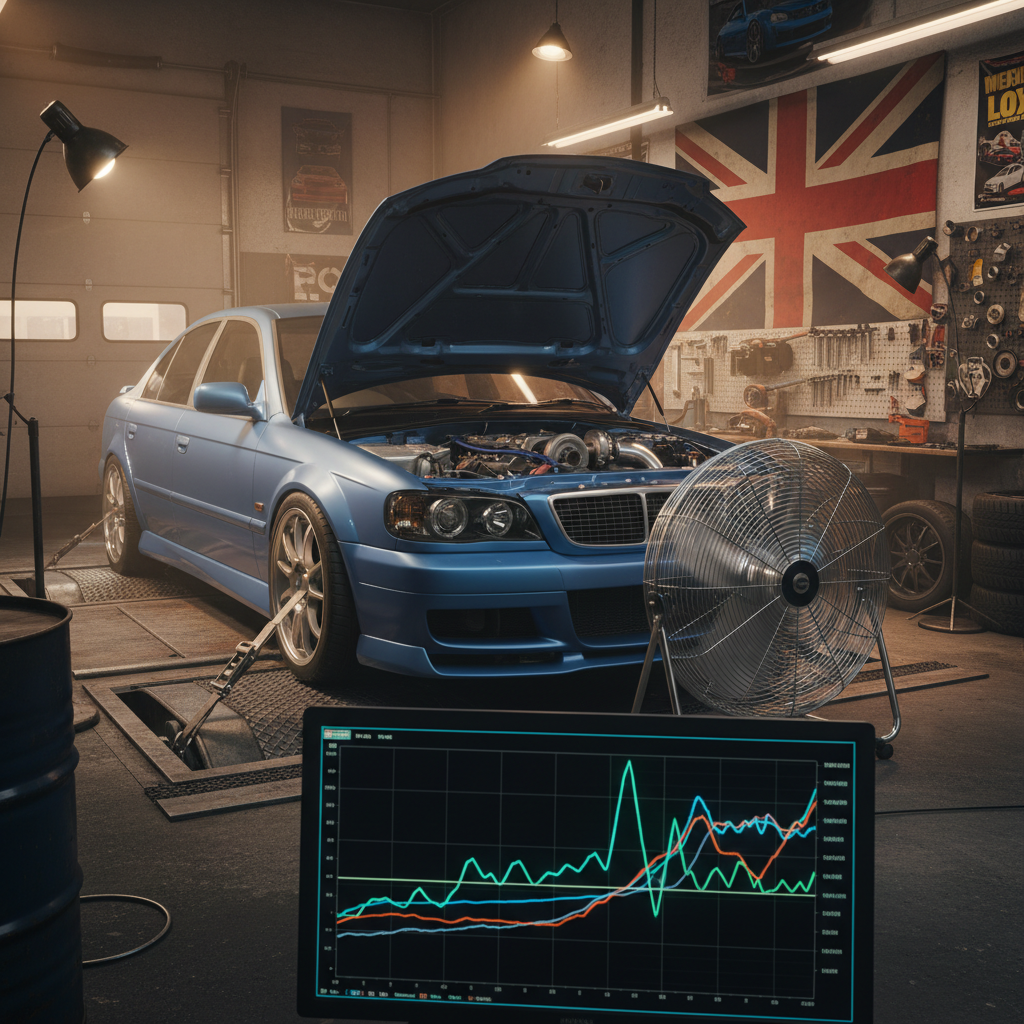
- Dynos vary: Different rollers, correction factors and setups can easily show a 10–20 BHP swing.
- Baseline power is rarely “book figure”: Many engines make more or less than the factory spec before tuning.
- Health matters: A tired turbo, clogged DPF or worn injectors will limit safe gains.
- Some tuners chase numbers: Aggressive maps can look great on a graph but punish clutches and DPFs.
At Stoke Tuning we’d rather show a slightly lower number and have the car feel strong and reliable every day, than chase the biggest dyno printout.
Examples of Stage 1 BHP Gains in the Real World
Here are the kind of before‑and‑after results we commonly see on a healthy vehicle with our Stage 1 remap:
- 2.0 TDI (140 BHP stock): typically 175–190 BHP after Stage 1, with a big jump in mid‑range torque.
- 2.0 diesel pickup (around 150–170 BHP stock): often 190–210 BHP, making towing and overtaking far easier.
- 2.0 turbo petrol (around 200–220 BHP stock): 250–280 BHP is common on good fuel with a safe map.
The exact result depends on the engine code, mileage, supporting hardware and how the car is used. That’s why we always start with proper checks rather than promising a fixed number to everyone.
What Affects Your Stage 1 Remap BHP Increase?
Several factors decide how much extra power we can safely release:
- Engine condition: Good compression, healthy injectors and a strong turbo are essential.
- Air intake and intercooler: Restricted airflow or high intake temps limit safe boost and fuelling.
- Exhaust and DPF condition: A blocked DPF or restrictive exhaust can choke gains and raise exhaust temperatures.
- Clutch and gearbox rating: We tune within what the drivetrain can reliably handle for daily use.
- Fuel quality: Poor fuel can cause knock or excessive soot, so we map with realistic UK conditions in mind.
If we spot issues during our checks, we’ll recommend fixes first – often using our advanced diagnostics service – before pushing for power.
Stage 1 vs Stage 2: Is It Worth Going Further?
Stage 1 is designed to work with factory hardware. Stage 2 adds supporting mods such as exhaust, intercooler or intake upgrades. If you’re wondering which route is right for you, our comparison at Stage 1 vs Stage 2 remap goes into more detail.
In short:
- Stage 1: Best for daily drivers who want stronger, smoother performance without changing parts.
- Stage 2: Better for enthusiasts happy to invest in hardware and accept a more focused setup.
If you’re already thinking about hardware upgrades, our Stage 2 remap cost and hardware guide is worth a read.
Can a Stage 1 Remap Improve Fuel Economy?
Driven sensibly, many customers see a small improvement in MPG after a Stage 1 remap because the engine produces more torque at lower revs. However, if you use the extra power all the time, fuel consumption will go up.
We tune for a balance of performance, smoothness and efficiency – not just peak numbers. That’s especially important on modern diesels with DPFs and AdBlue systems.
Protecting Your Engine, DPF and Drivetrain
A good Stage 1 remap should feel strong but controlled. To keep things safe we:
- Check for existing faults with advanced diagnostics before tuning.
- Monitor exhaust gas temperatures and boost where possible.
- Respect known limits of common clutches and gearboxes.
- Take DPF health into account – often combining tuning with proper DPF solutions if needed.
The goal is a car that feels OEM‑plus: more power, more torque, but still happy doing school runs, commuting and long motorway trips.
Stage 1 Remap BHP Increase: Quick FAQ
How much BHP will my specific car gain?
It depends on the exact engine, hardware and condition. Get in touch with your reg and we’ll give you realistic Stage 1 figures based on our experience and dyno data.
Will a Stage 1 remap damage my engine?
On a healthy engine, a well‑written Stage 1 map that respects safe limits should not cause damage. Problems usually come from aggressive maps, poor diagnostics or tuning a car with underlying faults.
Do I need to upgrade my clutch for Stage 1?
Most standard clutches cope fine with a sensible Stage 1, especially on newer vehicles. High‑mileage or already‑slipping clutches may need upgrading – we’ll advise after a road test.
Will my car still pass an MOT after a Stage 1 remap?
Yes, provided all emissions equipment (DPF, catalytic converter, AdBlue system) is present and working correctly. We do not remove or disable emissions systems for road‑going vehicles.
What if I want more power later?
You can start with Stage 1 and move to Stage 2 later with supporting hardware. Our Stage 2 remap service is designed as a natural upgrade path when you’re ready.